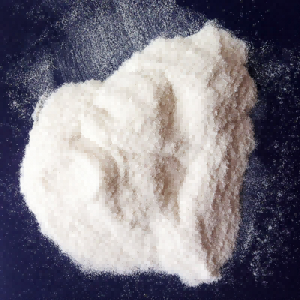
Tannic Acid/CAS:1401-55-4


Short Description:
Product Name: Tannic Acid
CAS: 1401-55-4
Type: ZA-Y
MF:C76H52O46
MW:1701.2
STRUCTURE:

Description:
Tannic acid is a naturally occurring plant polyphenol and can be found in practically all aerial plant tissues. Tannic acid was historically used for the treatment of diarrhea, topically to dress skin burns and rectally for treatment of unspecified rectal disorders. Pharmaceutical use of tannic acid is discontinued due to safer and better alternatives.
An unusually high incidence of esophageal cancer has been noted in areas of South Africa, where a sorghum rich in tannins is consumed. A positive relation has been observed between the tannin content of the sorghum and the incidence of esophageal cancer.
Specification:
| Item | Specification |
| Melting point | 218 °C (lit.) |
| Boiling point | 862.78°C (rough estimate) |
| Density | 1.2965 (rough estimate) |
| Fp | 198°C |
| Refractive index | 1.7040 (estimate) |
| Storage temp. | Storage temperature: no restrictions. |
| Solubility | ethanol: soluble100mg/mL, yellow to brown |
| Form | Powder/Solid |
| Color | Yellow to light brown |
| PH | 3.5 (100g/l, H2O, 20°C) |
| Odor | Slight in solution, typical tannic acid |
Usage
Used as a clarifying agent for beer, wine, and juices. It also acts as a natural flavor enhancer and antioxidant.
Employed in the production of astringent ointments and anti-diarrheal medications due to its protein-precipitating properties.
Essential for leather tanning, as a mordant in dyeing processes, and in the manufacture of gallic acid and pyrogallol.
Used as a coagulant in specific industrial wastewater treatment processes.
Packaging and Shipping
25KG/Drum.
Belongs to common goods and can deliver by ocean and air
Keep and storage
Shelf life:24 month from date of manufacture in original unopened packaging stored in a cool dry place out of direct sunlight, water.
Store in a cool, dry, and well-ventilated area. Keep away from direct sunlight and moisture. Ensure the container is tightly sealed when not in use.